
The MTB-CUT M888 can be considered when sourcing a fully automatic smart cutting all-in-one machine, but approval should depend on sample results rather than the feature list alone. Its integrated printing and cutting, broad application range, and design tools offer practical buyer value. However, purchasers should test their actual consumables, representative artwork, and most demanding product shapes before accepting the machine for retail or production use.
Validation Decision: What Must Be Proven Before Approval?
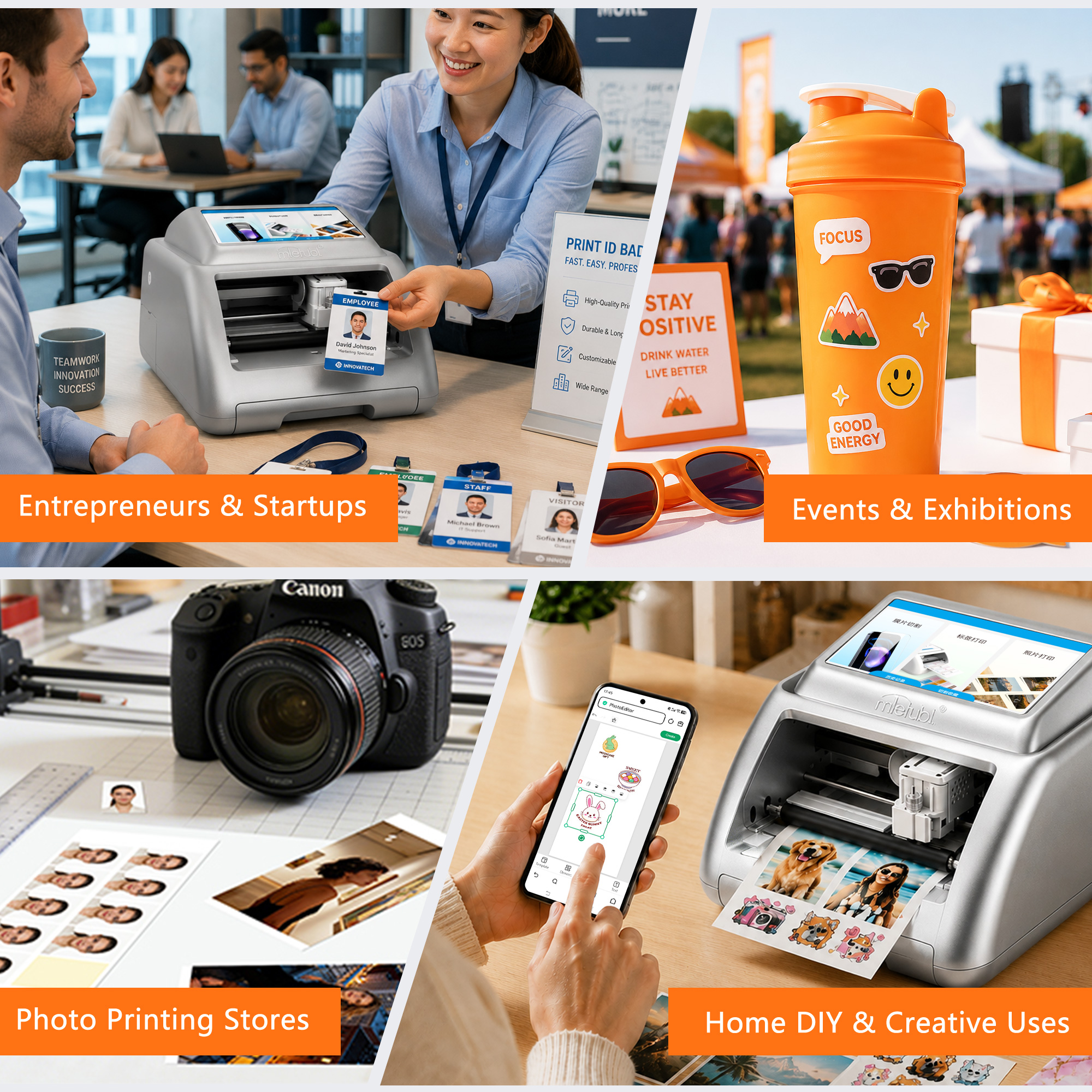
The M888 combines printing and cutting in one machine, reducing the number of devices and operating steps needed for finished output. It is designed for phone back films, protective films, photos, labels, greeting cards, and irregularly shaped stickers. These categories provide a useful starting point, but they do not confirm compatibility with every coating, thickness, adhesive, or material formulation available from different suppliers.
Key decision criteria:
- Test the exact materials intended for daily sale or production.
- Include simple and complex contours in the sample set.
- Define acceptable color, edge, and alignment results before testing.
- Repeat selected jobs to check whether output remains consistent.
Material Compatibility Requires Your Actual Consumables
A representative test should cover material variation, not merely different designs. Buyers may use at least one sample from each intended product category, such as a phone back film, protective film, photo medium, and label stock. If several suppliers or finishes will be used, each commercially important combination should be checked separately.
The machine uses thermal-sublimation printing and is presented as producing detailed color with water-resistant, fade-resistant output. Those characteristics should still be evaluated on the buyer’s selected media. During testing, inspect ink appearance, surface condition, feeding behavior, and whether the finished item remains acceptable after normal handling. A successful result on one paper or film should not be treated as universal material approval.
Representative Sample Testing Should Mirror Real Orders
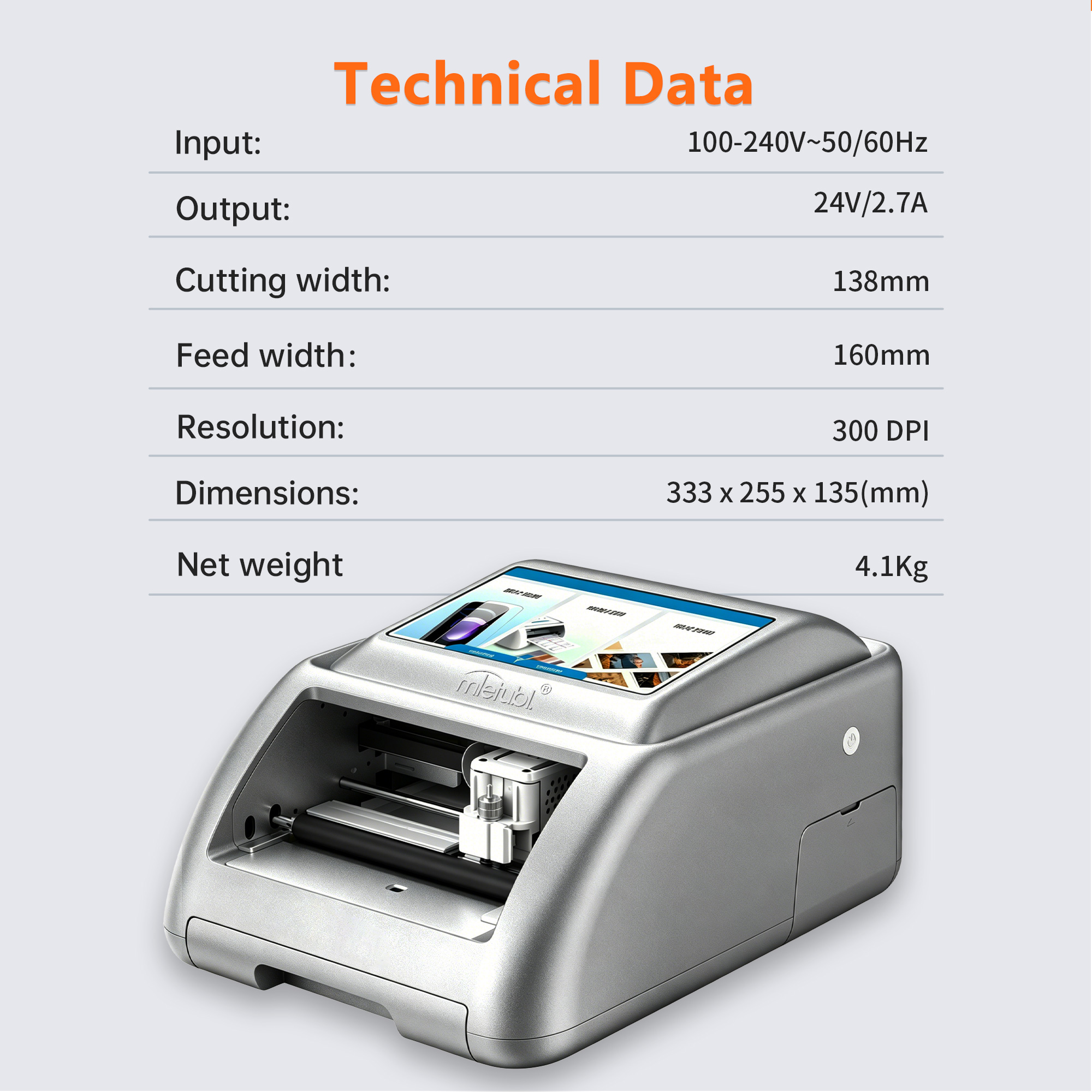
The sample pack should reflect the work the machine is expected to perform, including both routine and difficult orders. The M888 has a stated cutting width of 138 mm, a feeding width of 160 mm, 300 DPI resolution, and a listed paper size of 100 × 148 mm. Buyers should therefore confirm that planned products fit the supported working format before preparing artwork.
- Run a basic geometric design to establish feeding and cutting behavior.
- Test a detailed image with fine color transitions.
- Add an irregular contour that challenges edge tracking.
- Repeat a commercially important design several times.
- Record rejected samples and the reason for each rejection.
Built-in templates, image upload, AI cutout, and AI-generated design functions can support sample preparation. For validation, however, use files that represent actual customer demand rather than only optimized demonstration artwork.
Output Acceptance Must Cover Both Print and Cut Results
The stated contour-cutting precision is up to approximately 0.1 mm, but buyers should verify practical results against their own product tolerances. Acceptance should consider the finished item as a whole, because an attractive print can still fail if the contour is misplaced, while an accurate cut cannot compensate for unacceptable color or surface output.
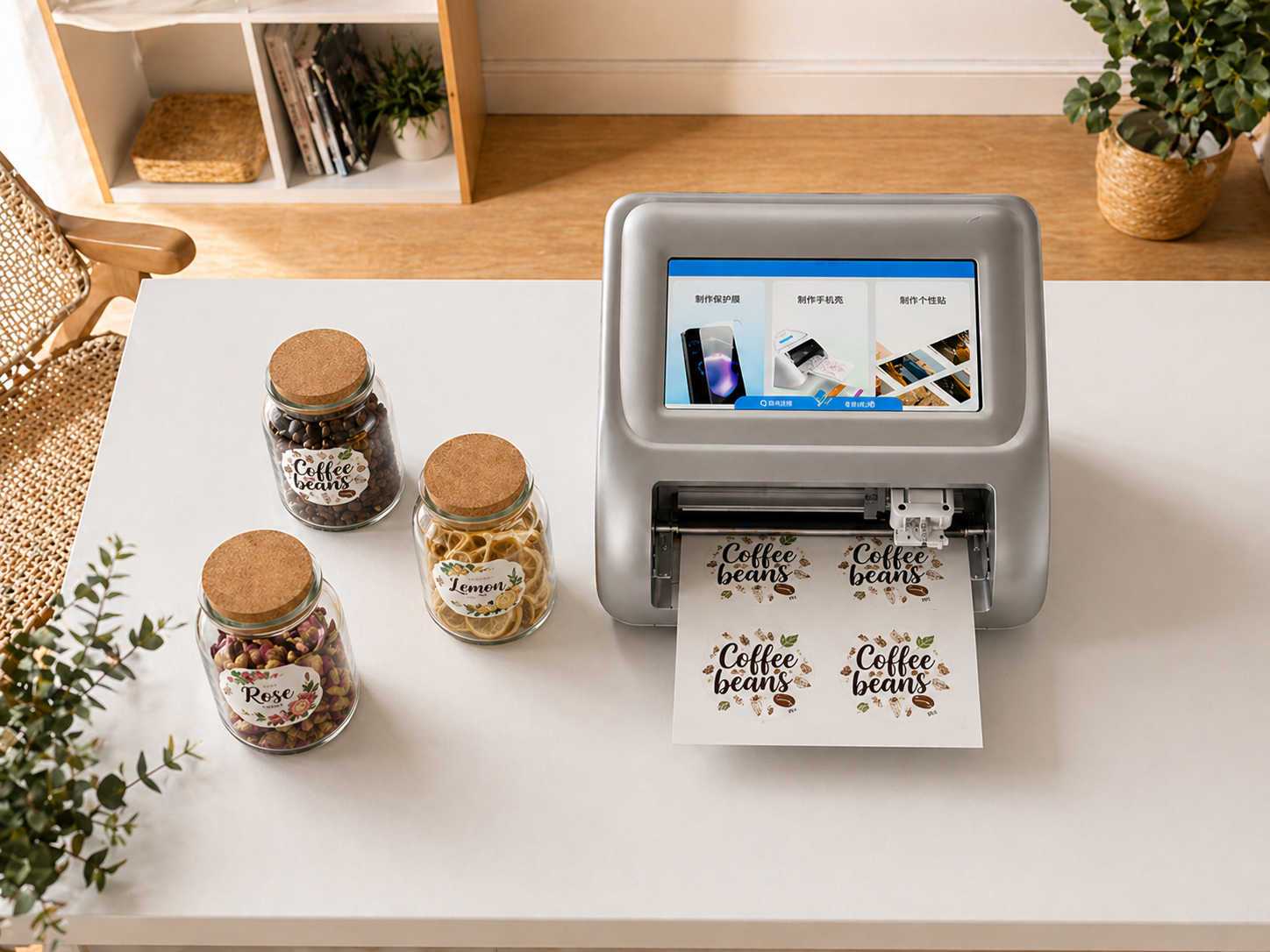
Create a written acceptance sheet covering color appearance, visible print defects, contour alignment, edge cleanliness, feeding marks, and consistency across repeated pieces. Where waterproof behavior or resistance to fading is important, agree on a relevant evaluation method before ordering. Pass or fail limits should be documented rather than decided informally after samples arrive.
Common Questions
Can one successful material sample confirm full compatibility?
No. It confirms only the tested combination of material, finish, artwork, and operating conditions. Additional commercially important media should receive separate approval.
Should buyers test templates or their own files?
Both can be useful, but buyer-supplied files are more representative. Include actual dimensions, image styles, and contour complexity expected in normal orders.
What if print quality passes but contour cutting does not?
Treat the finished sample as unapproved. Printing and cutting are integrated buyer benefits only when both stages meet the predefined output standard.
Conclusion
The MTB-CUT M888 is a suitable candidate for buyers seeking integrated printing, contour cutting, and accessible design functions in one compact workflow. Final approval should be based on a documented sample program using real materials and realistic orders. Proceed when the tested outputs meet agreed acceptance limits consistently, not simply because an individual demonstration looks satisfactory.
About Mietubl
Mietubl is a Guangzhou-based mobile accessories brand whose name reflects its guiding idea: Make It Easier To Use, Better Life. With roots in the mobile accessories industry dating to 1998 and the MIETUBL brand registered in 2010, the company focuses on products that make everyday digital use simpler and more practical.
Its portfolio includes screen protectors, intelligent screen protector cutting machines, film materials, data cables, chargers, power banks, and audio accessories. By combining design, product development, manufacturing, and channel support, Mietubl works with distributors and retailers serving a broad range of mobile accessory needs, with products exported to more than 120 countries and regions.
For product information, samples, or distribution opportunities, contact Marketing@mietubl.com or visit www.mietubl.com.
Was this article helpful?
Your feedback helps us improve future articles.