
Yes—but approve the MTB-CUT M688 for self-adhesive film only after testing the actual material, liner, and finished application. Its stated cutting capacity provides a useful starting point, but it does not confirm compatibility with every adhesive construction. Buyers should validate representative samples, define measurable acceptance criteria, and confirm that cutting, application, and optional UV curing produce a saleable result.
Validation Decision: Treat Specifications as a Screening Gate
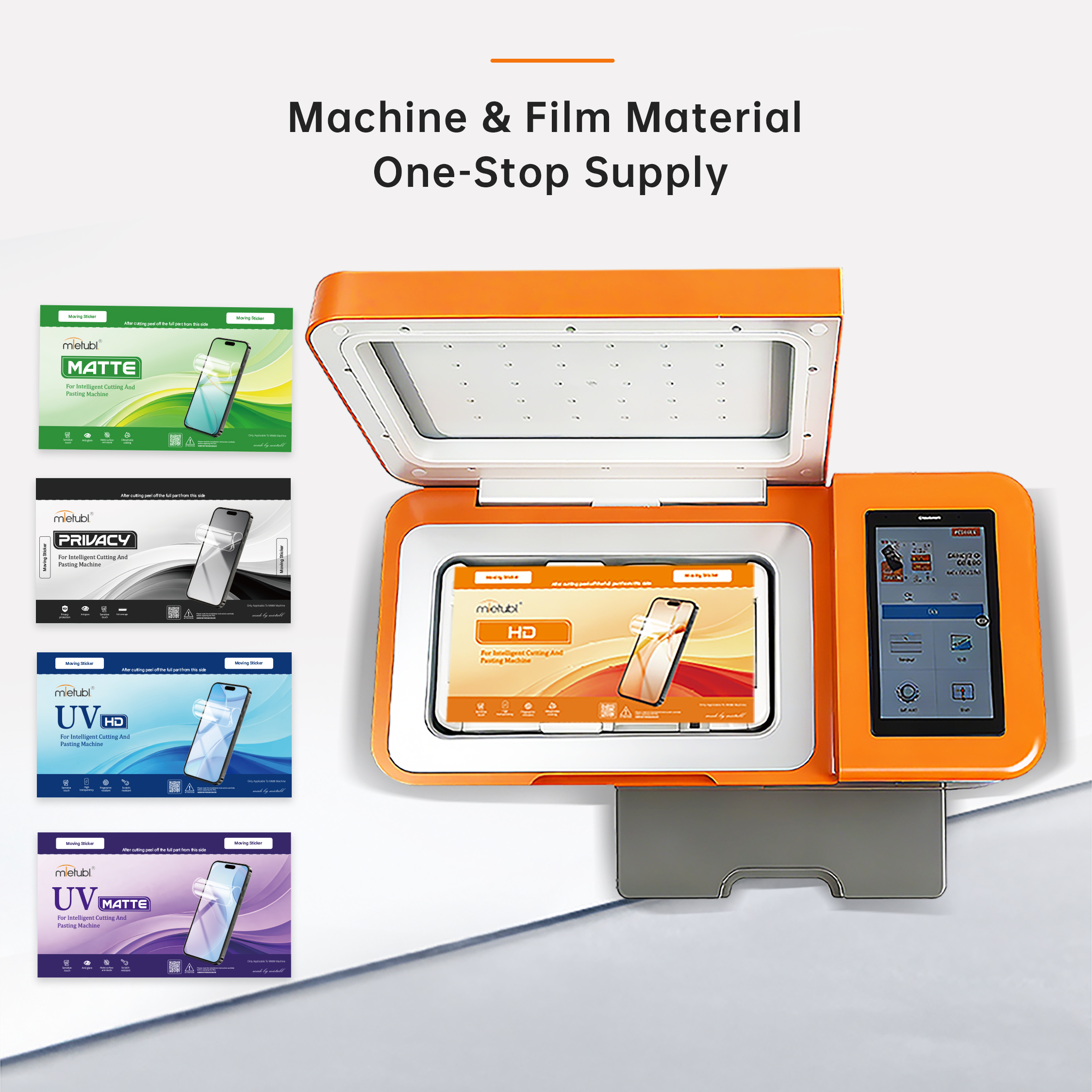
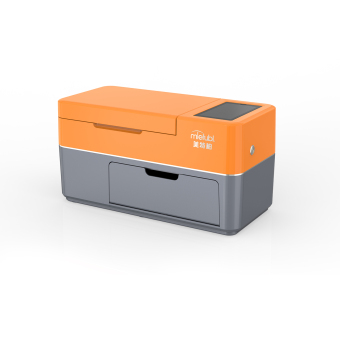
The M688 is a three-in-one screen protector machine combining film cutting, application, and UV curing. For buyers evaluating it as a self-adhesive sticker cutting machine, the first decision is whether the intended material and design fit its operating envelope.
- Confirm that the material roll or sheet fits the stated 235 mm maximum material width.
- Keep the required cut design within the stated 213 mm maximum cutting width.
- Use production-grade samples rather than clean demonstration material.
- Approve output based on cutting and application results, not specifications alone.
- Test UV curing only when the selected film system is intended for that process.
The maximum supported cutting size is 14.6 inches, or 324.4 × 208.6 mm. This may suit phone and tablet film applications, but buyers should compare every target design with the usable cutting area before ordering.
Material Compatibility Must Be Proven with the Actual Construction
Self-adhesive materials are layered systems. The face film, adhesive, release liner, surface finish, and overall construction can affect feeding and cutting. The approved product information does not provide a compatibility list for specific adhesive chemistries or sticker stocks, so compatibility should not be inferred from width alone.
The M688 has a stated cutting force of 1000 g. That figure can help screen candidate materials, but it does not establish the correct setting for a particular sample. A useful trial should determine whether the blade cuts the face material consistently without cutting through, scoring excessively, or distorting the liner.
Buyers should also examine whether glossy, textured, coated, or flexible samples remain stable during feeding. If several material suppliers will be used, test each construction separately rather than approving an entire category from one sample.
Representative Sample Testing Should Match Real Orders
A validation batch should reproduce normal operating conditions. Use the same film, liner, design dimensions, corner geometry, and storage condition expected in production. Include both straightforward shapes and the smallest or most detailed contours likely to be sold.
- Condition the samples: test material stored under expected workplace conditions. The stated operating environment is 5°C–35°C with 35%–70% humidity.
- Check loading and tracking: verify that sheets feed without skewing, wrinkling, or lifting.
- Run repeated cuts: inspect multiple consecutive pieces instead of accepting one successful output.
- Weed or separate the design: confirm that intended sections release cleanly while required areas remain attached to the liner.
- Apply the finished piece: assess alignment, edge behavior, bubbles, lifting, and visible damage on the target surface.
The machine includes guided operation, app control, and a built-in operating system. These features may simplify repeatable setup, but the approved sample should record the material identity and machine settings so operators can reproduce the accepted output.
Output Acceptance Needs Measurable Pass-or-Fail Rules
The stated cutting precision is 0.1 mm and cutting speed is 500 mm/s. Procurement teams should convert these machine figures into product-specific acceptance rules rather than treating them as automatic finished-product tolerances.
Acceptance criteria can include dimensional conformity, clean corners, complete separation, intact liners, repeatable alignment, and an agreed maximum number of defective pieces in a trial batch. Visual standards should define unacceptable tearing, adhesive contamination, edge lifting, surface marks, or incomplete cuts.
The listed quality inspection method is GB/T 2828.1. Buyers should confirm how sampling levels and acceptance limits will be applied to the ordered equipment or outputs. The listed method should not replace pre-purchase testing of the buyer’s own film construction.
Common Questions About M688 Sample Validation
Can the M688 cut every type of self-adhesive sticker material?
No universal material compatibility is stated. Test each face film, adhesive, and liner combination before approving it for routine use.
Is one successful cut enough for procurement approval?
No. Run repeated cuts using representative designs and inspect feeding, separation, dimensions, liner condition, and final application.
Should UV curing be included in every sample test?
Only when the intended material and application are designed for UV curing. Otherwise, validate the cutting and application stages without assuming that curing is required.
Conclusion: Approve the Material-Output Pair, Not Just the Machine
The MTB-CUT M688 can be considered for self-adhesive film cutting when the target design fits its cutting area and representative samples pass documented tests. Procurement approval should be tied to specific materials, settings, and finished-output criteria, with any new film construction revalidated before deployment.
About Mietubl
Mietubl is a Guangzhou-based mobile accessories brand whose name reflects its guiding idea: Make It Easier To Use, Better Life. With roots in the mobile accessories industry dating to 1998 and the MIETUBL brand registered in 2010, the company focuses on products that make everyday digital use simpler and more practical.
Its portfolio includes screen protectors, intelligent screen protector cutting machines, film materials, data cables, chargers, power banks, and audio accessories. By combining design, product development, manufacturing, and channel support, Mietubl works with distributors and retailers serving a broad range of mobile accessory needs, with products exported to more than 120 countries and regions.
For product information, samples, or distribution opportunities, contact Marketing@mietubl.com or visit www.mietubl.com.
Was this article helpful?
Your feedback helps us improve future articles.