
The MTB-CUT M688 may suit a screen protector cutting and application workflow, but buyers should not approve it from specifications alone. The safer decision is to test representative materials and device sizes through cutting, guided application, and UV curing. Acceptance should depend on repeatable finished output—not whether a single demonstration sample looks satisfactory.
Make Sample Validation the Purchasing Gate
The M688 combines screen protector cutting, application, and UV curing in one machine. This integrated workflow can reduce separate equipment and handling steps, but material behavior may still vary. Film construction, liner behavior, surface finish, storage condition, and device geometry can all affect the result.
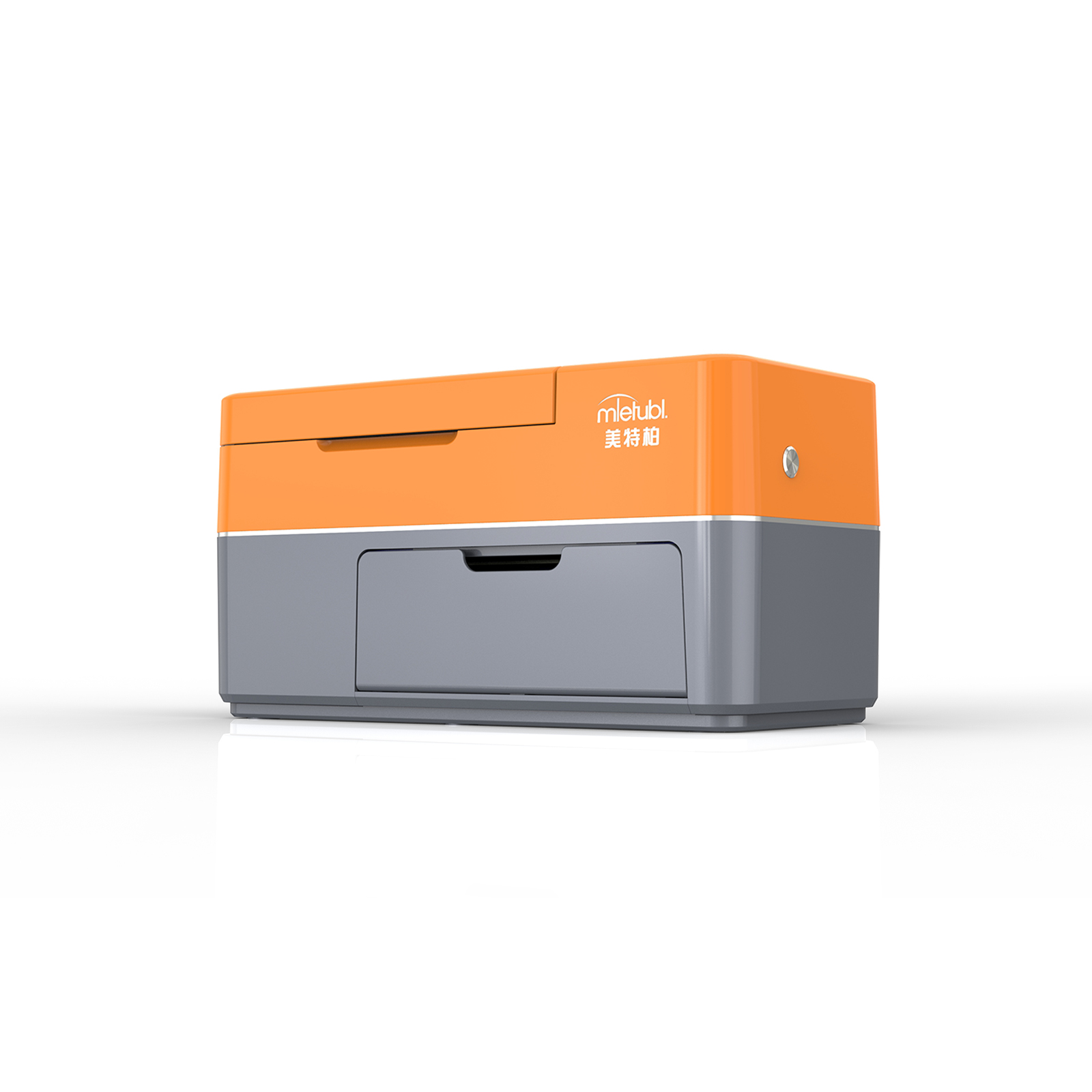
Use the following decision criteria before approving a sample:
- Material representation: Test the actual film SKUs intended for sale, not only supplier-selected demonstration media.
- Dimensional fit: Include small, large, flat, and curved device formats from the planned assortment.
- Finished output: Define acceptable edges, alignment, adhesion, appearance, and curing results.
- Repeatability: Run several samples of each important combination rather than accepting one successful cut.
Build a Representative Material Compatibility Test
The approved specifications state a maximum material width of 235 mm and a maximum cutting width of 213 mm. These dimensions establish the physical test boundary, but they do not confirm that every material within that boundary will process identically.
A useful sample matrix should cover the main film constructions, finishes, liners, and thickness variations in the buyer’s current or planned inventory. If multiple material suppliers are used, samples from each supplier should be included. Buyers should also test more than one production lot when lot-to-lot variation is a known procurement concern.
Record whether each sample feeds consistently, remains stable during cutting, separates cleanly from its liner, and proceeds through application without visible distortion. Any film intended for the UV stage should be evaluated using its own handling and curing requirements rather than assumptions based on another material.
Verify Size Coverage With Real Device Samples
The M688 supports cutting up to 14.6 inches, making it relevant to both phone and tablet workflows within that limit. However, maximum size is only one part of fit validation. Buyers should test actual models that represent their expected sales mix, especially devices with narrow borders, camera openings, speaker areas, or other detailed cut features.
The machine’s specified cutting precision is 0.1 mm. Procurement acceptance should translate that specification into observable output criteria. For example, define permitted edge deviation, opening alignment, corner consistency, and whether the protector interferes with cases or visible screen areas. Testing the same template repeatedly can help reveal whether results remain consistent across operators and material batches.
Set Output Acceptance for Application and UV Curing
Because the machine integrates three stages, approval should evaluate the complete finished protector rather than treating cutting as the only quality checkpoint. During guided application, inspect alignment, trapped particles, bubbles, wrinkles, edge lift, and any marks introduced by handling.
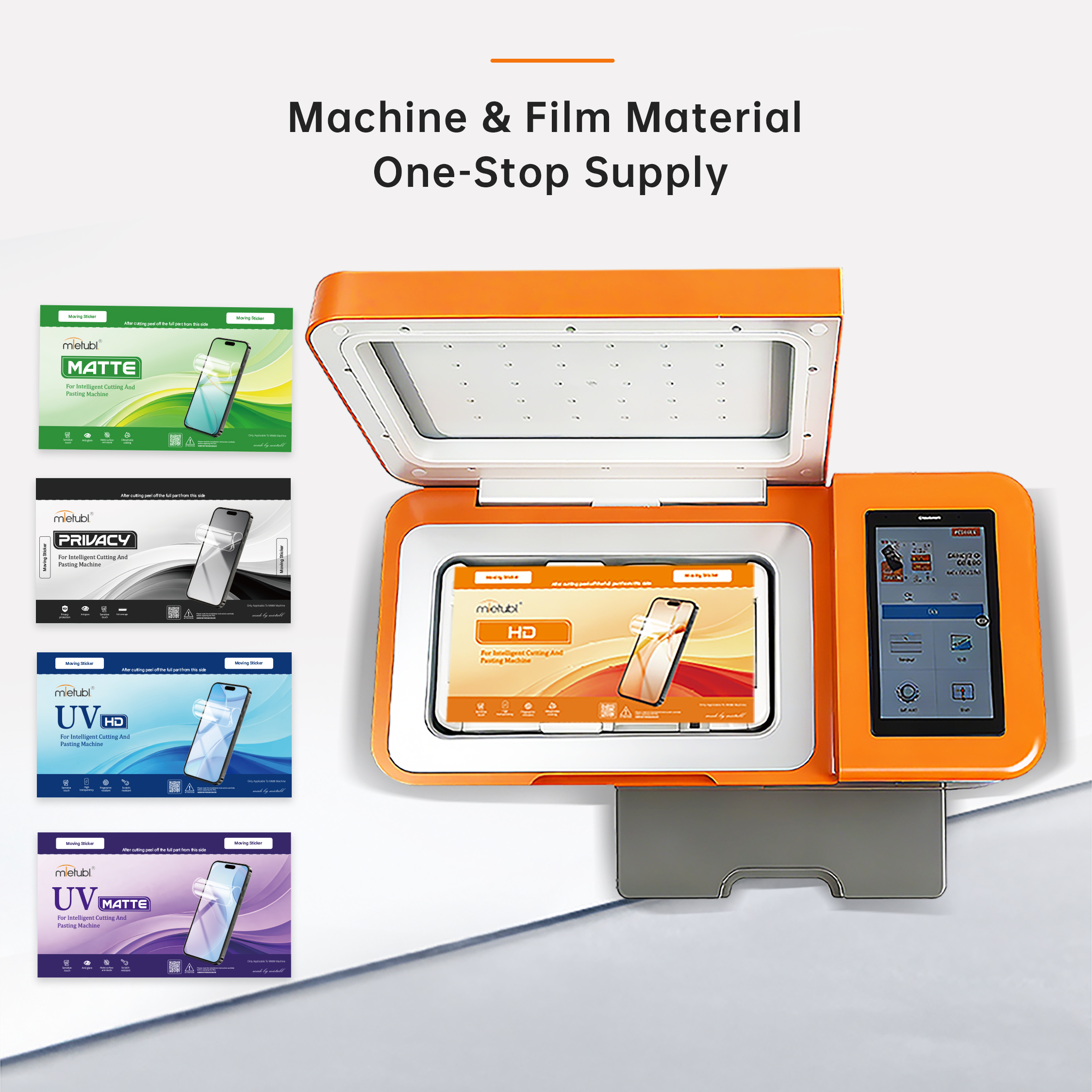
The integrated curing system is specified at 395 nm. For materials designed to use this stage, confirm that the completed sample meets the material supplier’s requirements and the buyer’s own visual and handling standards. Do not assume that curing automatically makes an unsuitable film acceptable.
A practical acceptance record can include the material SKU, device model, operator, template used, pass or fail result, defect type, and photos of the finished output. This creates a clearer basis for comparing samples and training operators after deployment.
Common Questions About M688 Sample Testing
Can specifications alone confirm film compatibility?
No. Specifications define operating limits and functions, but compatibility should be confirmed with the buyer’s actual films, liners, device templates, and expected finishing process.
How many samples should a buyer test?
There is no approved universal quantity. Buyers should run enough repeated samples to cover important materials, device sizes, operators, and likely sources of variation. The acceptance quantity should be agreed before evaluation begins.
Should cutting and application be approved separately?
They can be inspected separately for troubleshooting, but the purchasing decision should be based on the complete output. A clean cut may still fail acceptance if alignment, adhesion, appearance, or UV-stage results are unsuitable.
Conclusion: Approve the Output, Not Just the Machine
The MTB-CUT M688 should move forward when representative sample testing shows that the planned material and device combinations produce repeatable, sale-ready results. Establish the sample matrix and acceptance rules before evaluation, document failures as well as passes, and make final approval conditional on the complete cutting, application, and curing workflow.
About Mietubl
Mietubl is a Guangzhou-based mobile accessories brand whose name reflects its guiding idea: Make It Easier To Use, Better Life. With roots in the mobile accessories industry dating to 1998 and the MIETUBL brand registered in 2010, the company focuses on products that make everyday digital use simpler and more practical.
Its portfolio includes screen protectors, intelligent screen protector cutting machines, film materials, data cables, chargers, power banks, and audio accessories. By combining design, product development, manufacturing, and channel support, Mietubl works with distributors and retailers serving a broad range of mobile accessory needs, with products exported to more than 120 countries and regions.
For product information, samples, or distribution opportunities, contact Marketing@mietubl.com or visit www.mietubl.com.
Was this article helpful?
Your feedback helps us improve future articles.