
The MTB-CUT M688 should be approved as an adhesive sticker cutting machine only after sample validation. Its supplied specifications describe a three-in-one screen protector system rather than confirmed compatibility with adhesive label stock. Buyers should therefore test their actual face material, adhesive, liner, and artwork before accepting the machine for production.
Make the validation decision before ordering
The main procurement risk is assuming that cutting capability automatically proves material compatibility. The M688 combines film cutting, application, and UV curing in one workflow, which can add value for screen protector services. However, sticker production may involve different substrates, adhesive behavior, liner resistance, and finishing requirements.
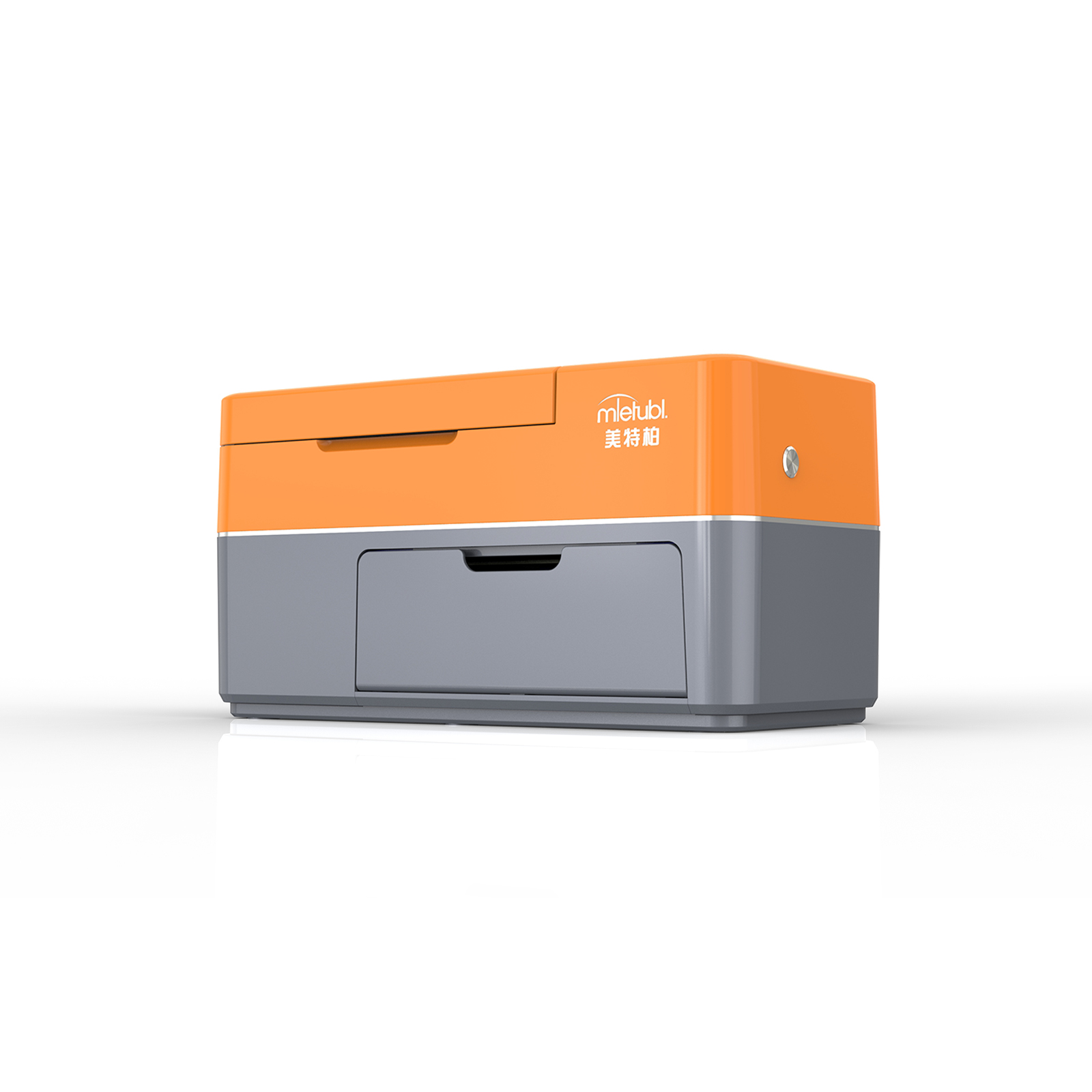
- Confirm the use case: distinguish screen protector films from paper, vinyl, or other adhesive sticker media.
- Use production materials: generic demonstration film is not enough for approval.
- Define acceptable output: assess cut completion, edge condition, weeding, liner protection, and dimensional fit.
- Separate useful functions: decide whether application and UV curing are relevant to the intended product.
Check material compatibility at the full construction level
A sticker sample should represent the complete construction, not only its surface material. Buyers should submit the intended face stock together with its adhesive and release liner. Coatings, laminates, surface texture, and printed areas may also affect cutting behavior.
The M688 has a stated cutting force of 1000 g, but that value alone cannot confirm suitability for every adhesive stock. A successful test should cut the face material cleanly without cutting through or excessively marking the liner. If several material families will be sold, each important construction should be validated separately.
Build a representative sample test
Prepare samples that reflect normal orders and difficult cases. Include small internal corners, curves, narrow borders, repeated shapes, and the largest design expected in routine production. The stated maximum cutting size is 14.6 inches, while maximum material width and cutting width are 235 mm and 213 mm respectively; sample layouts should remain within those limits.
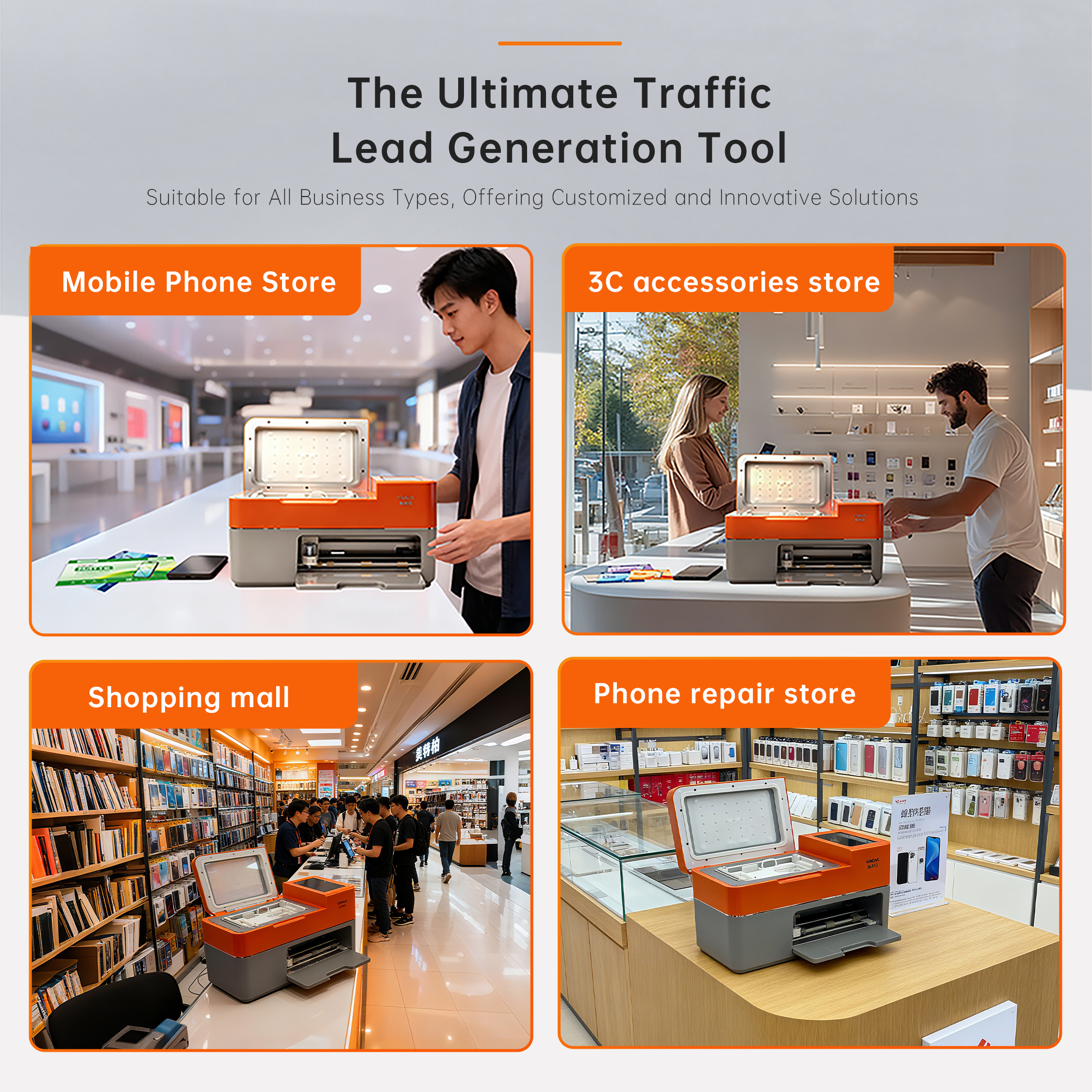
- Load the exact material planned for commercial use.
- Run simple shapes first to establish workable cutting settings.
- Test detailed artwork and repeated copies from the same file.
- Inspect whether the sticker separates cleanly while the liner remains functional.
- Repeat the test across different batches or finishes when those variations matter.
Operators should also repeat the approved setup using the machine’s guided controls. This helps determine whether the result is reproducible rather than dependent on one experienced technician.
Set output acceptance criteria before testing
The M688 lists cutting accuracy of 0.1 mm, but a machine specification should not replace a buyer-defined finished-output standard. Acceptance should focus on the actual sticker and its downstream handling.
Record whether edges are clean, corners remain intact, printed graphics align with the cut path, and stickers can be removed without tearing or uncontrolled liner separation. For repeated designs, compare several pieces rather than approving a single successful output. Buyers should retain the approved material, artwork, settings, and finished sample as the reference for later inspection.
Common Questions
Is the M688 explicitly specified for adhesive label materials?
No. The approved product information identifies it as a three-in-one screen protector film machine. Compatibility with a particular adhesive sticker construction should be confirmed through representative sample testing.
What samples should a distributor provide for verification?
Provide the exact face stock, adhesive, liner, coating or laminate, printed artwork, and representative design sizes. Include both routine products and demanding shapes that could expose cutting or weeding problems.
Should UV curing be included in sticker-machine acceptance?
Only when it is relevant to the planned product. The M688 includes a 395 nm UV curing system for its integrated film workflow, but buyers should not assume that this stage is necessary or suitable for conventional sticker production.
Conclusion
Approve the MTB-CUT M688 for adhesive sticker work only when production-representative samples meet documented output criteria. If clean cutting, liner control, repeatability, or workflow fit remains uncertain, request further testing rather than relying on screen protector specifications alone.
About Mietubl
Mietubl is a Guangzhou-based mobile accessories brand whose name reflects its guiding idea: Make It Easier To Use, Better Life. With roots in the mobile accessories industry dating to 1998 and the MIETUBL brand registered in 2010, the company focuses on products that make everyday digital use simpler and more practical.
Its portfolio includes screen protectors, intelligent screen protector cutting machines, film materials, data cables, chargers, power banks, and audio accessories. By combining design, product development, manufacturing, and channel support, Mietubl works with distributors and retailers serving a broad range of mobile accessory needs, with products exported to more than 120 countries and regions.
For product information, samples, or distribution opportunities, contact Marketing@mietubl.com or visit www.mietubl.com.
Was this article helpful?
Your feedback helps us improve future articles.